
Other initiatives – Krishi Pooja

Krishi (Farming) Pooja
This an initiative started by Jagathguru Swami Sathyananda Saraswathi Thiruvadikal along with Satha Koti Lalitha Sahasranama archana at Chenkottukonam Ashram. Concept is to encourage every family to cultivate food corps with prayers as a Pooja. Once every step of that farming activity – right from selecting the seed, planting, watering, nurturing and harvesting is done by a devotional feel, chanting mantra’s it is not only the fruit but also the environment as well as the doer becomes pure and devotional. Following the gurutva sankalpa, first harvest is usually offered to a temple or Ashram itself.


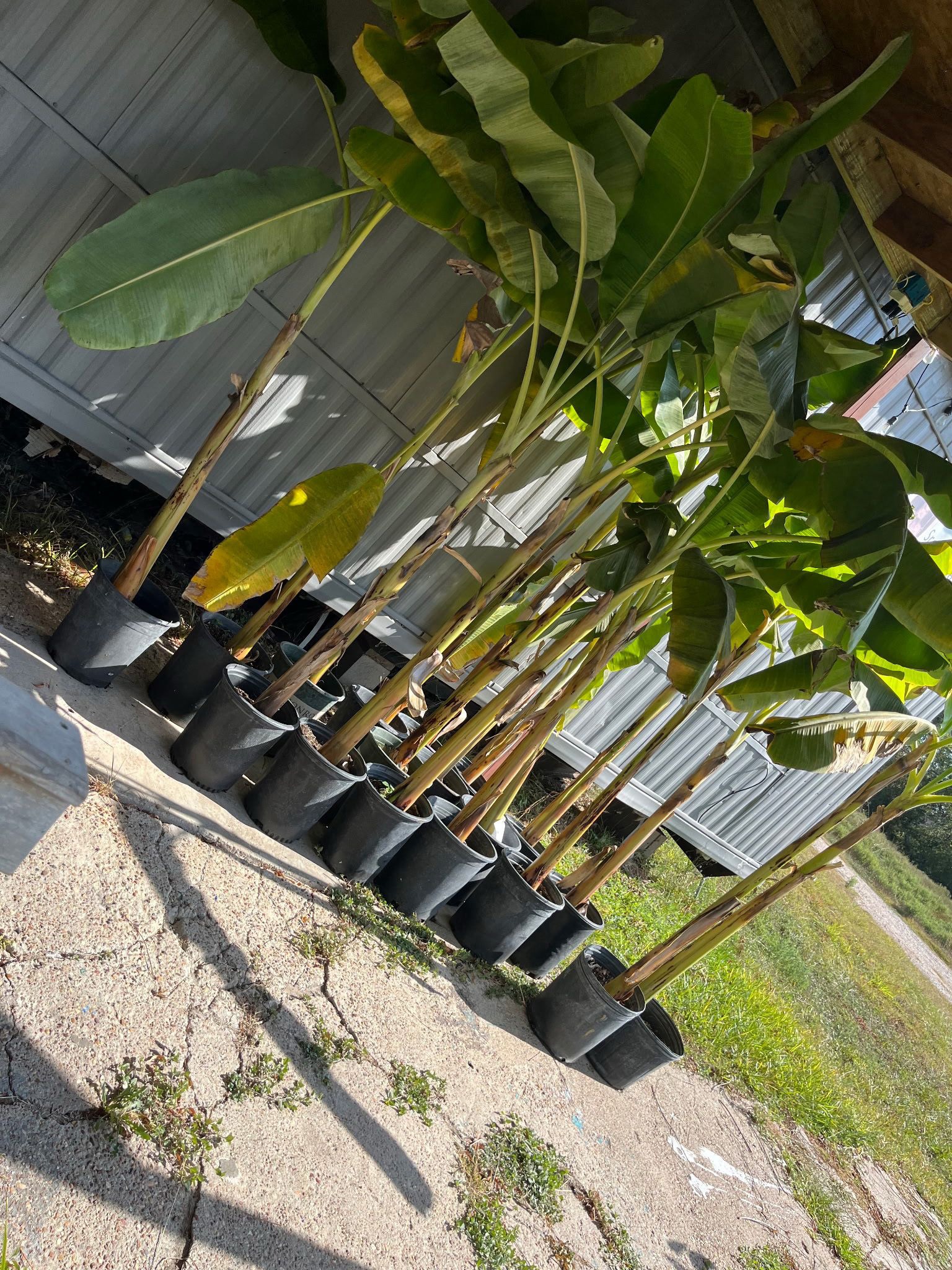
Banana Plantation
The Banana Plantation initiative is a sacred devotional offering dedicated to Hanumanji, as banana plants (Kadali Vana in Sanskrit) are traditionally considered very dear to Him. Planting and nurturing these trees at the Ashram is part of our Krishi Pooja effort — combining devotion, nature, and seva.
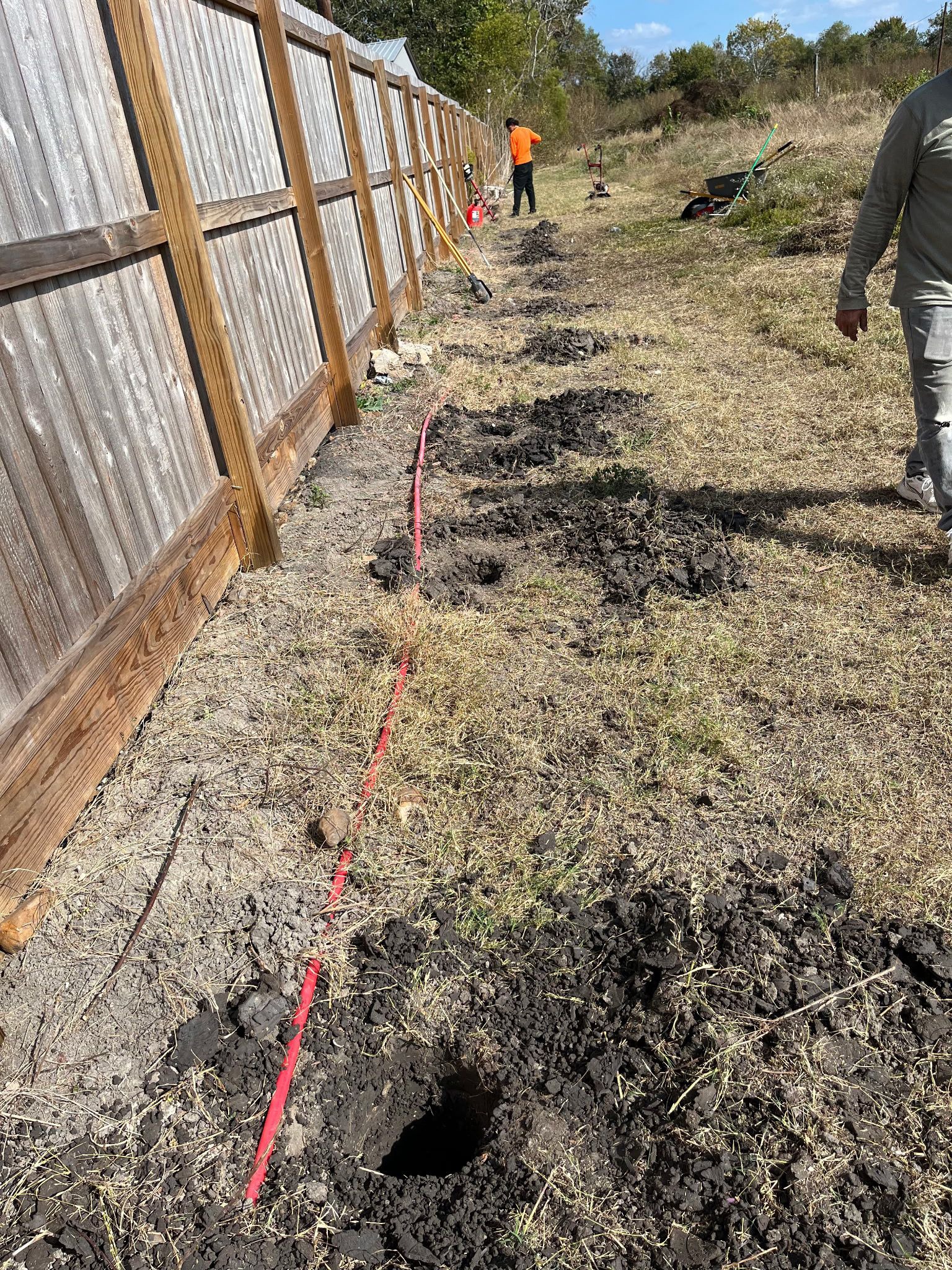
The first batch of saplings was planted on November 9th, 2025, along with the monthly Homam / Havan, by 18 families.
The next batch of 36 saplings will be planted on March 20, 2026, during the Chandika Homam. Devotees and families are invited to participate by committing a plant as a sacred offering.
First initiative is to plant 11 Banana saplings since these plants are very dear to Hanumanji. First batch will be initiated in Mar, anticipating the paduka prathishta in March 2026. Here are more details of relevance of Banana plant w.r.t Hanuman Ji. Please review sign in link and other details at the bottom of this page.
Kadali Vana in Sanskrit – has been very dear to Hanumanji. Ramayana narrates in fifth chapter – Sunderkand, that once Hanumanji returned from Lanka after completing the mission of locating Sitadevi, entire monkey army went to the rich and abundant plantain grove which was very dear to Sugriva and started having a feast. Even though every one was very afraid of the strict disciplinarian king Sugriva, at that moment of excitement, nothing mattered to them, similar to human mind in a state of ecstasy. There is no concept of right or wrong. Once immersed in divinity, everything will only be right. This is the first and obvious reference of how much Hanumanji loved banana plantations.
In sacred tradition, Kadali Vana (banana groves) are closely associated with Hanumanji. The Ramayana, in Sunderkand, describes how Hanumanji and the Vanara sena joyfully entered a rich banana grove after returning from Lanka, symbolizing divine celebration and devotion after successful seva.
Banana plants are also regarded as spiritually pure and sattvic. Their presence creates a calm and nourishing environment, which is why they are commonly used in poojas, temple rituals, and sacred ceremonies.
Traditional stories further highlight the sacred bond between Hanumanji and banana plants. One account describes how Lord Rama shared a banana leaf meal with Hanumanji after the war, symbolizing unity between the Divine and the devotee — a tradition that continues today in many sacred offerings served on banana leaves.
Similarly, folklore calls out that Hanumanji loves to meditate in Banana groves. The medicinal qualities of Banana plant as such as well as the environment it provides is very conducive for deep meditation.
One famous story explains how banana leaves got the partition line in the middle: After the war with Ravana, Lord Rama and Hanuman Ji stopped at Sage Bharadwaja’s ashram for a meal. Rama wanted to eat from the same banana leaf as Hanuman Ji, showing their unity and devotion. As the banana leaves earlier did not have a midrib dividing them, Rama used his right hand’s middle finger to draw a line, splitting one banana leaf into two halves, one for himself and another for Hanuman Ji. This act symbolized the inseparable bond between the divine and the devotee, raising Hanuman’s status through devotion. This event is said to have started the tradition of serving food on banana leaves with a central partition.

Another legend says Hanumanji once wrote a version of the Ramayana on banana leaves but humbly set it aside so Sage Valmiki’s Ramayana would remain the guiding scripture for the world — reflecting Hanumanji’s supreme humility and devotion.
With the belief that Hanumanji’s presence always blesses the Ashram, this plantation initiative was started as a humble step in devotional agriculture (Krishi Pooja). Each plant is sponsored by one family as a long-term spiritual offering. While families dedicate the plant, the Ashram oversees proper planting, care, and continuity so that the offering remains protected and sustained.
Establishing and maintaining the banana grove involves sapling procurement, transportation, soil preparation, planting, irrigation, and ongoing care. Devotees are encouraged to support this sacred initiative through plant sponsorship.
Another notable story relates to the Ramayana being inscribed on banana leaves. HanumanJi is said to have composed a version of the Ramayana that was inscribed on seven broad banana leaves in Kadali-vana. When the sage Valmiki found this, he was moved by its poetic excellence and started crying. Seeing this plight of sage Valmiki, even with out a bit of hesitation, HanumanJi tore up these banana leaves to prevent his version from competing with Valmiki’s Ramayana stating that Valmiki’s version of Ramayana is required for the sage to keep his name and fame until the world exists. This story underscores a mythological link between Hanuman Ji and banana plants as symbolic media for scriptures.
Given our absolute belief that HanumanJi is always present at Ashram it made logical sense to start our humble attempt of supporting Krishi Pooja initiative with an attempt to plant a 11 Banana trees to start with. First batch will be done along with March 2026 regular Homam of 20th. Initially We will have one family own one tree and be responsible for the up keeping of the same tree.
Some of the legends also say that Kadali, the wife of Durvasa Maharshi was cursed to become a divine tree which will help the entire living race. Thus the banana tree was formed, every part of which – leaves, fruit, stem and the roots are used by all beings.
In Astrology, Banana plant represents Jupiter (Brhuspathy). Astrological remedies for an ill placed Jupiter is taking care of a Banana plant.
Those who want to be a part of this initiative may please register below
Contribution per plant: $151 (lifetime support).
This includes the sapling, planting costs, and maintenance for the life of the plant.
Only 36 plants are available in this second batch at the Ashram — 17119 McLean Rd, Pearland, TX. The previous batch was fully booked within a few days, so early registration is encouraged.
Contributions can also be made through Zelle using this bar code below or by email at Paduka@srdmh.org